← Home · Geophysics

Seismic Refraction & Reflection Tomography in Fontana

Together, we solve the challenges of tomorrow.

LEARN MORE →

A 24-channel seismograph and a sledgehammer plate — that is our starting point in Fontana. The setup triggers a controlled wave right at the surface. Geophones spaced along the line capture every return signal. We process the first arrivals for refraction and the full wavefield for reflection. This gives you a velocity model of the subsurface. It maps the transition from loose alluvium to competent rock. In a city like Fontana, with its location at the base of the Jurupa Mountains and the deep alluvial fan of Lytle Creek, this contrast is sharp and critical. The data feeds directly into ASCE 7 site classification. Knowing if you are on Site Class C or D changes your foundation cost. A MASW survey can supplement the Vs profile, while grain-size analysis from borings confirms the material description from the seismic response.

A clear velocity contrast map in Fontana's alluvial fan prevents overexcavation and unexpected foundation change orders.
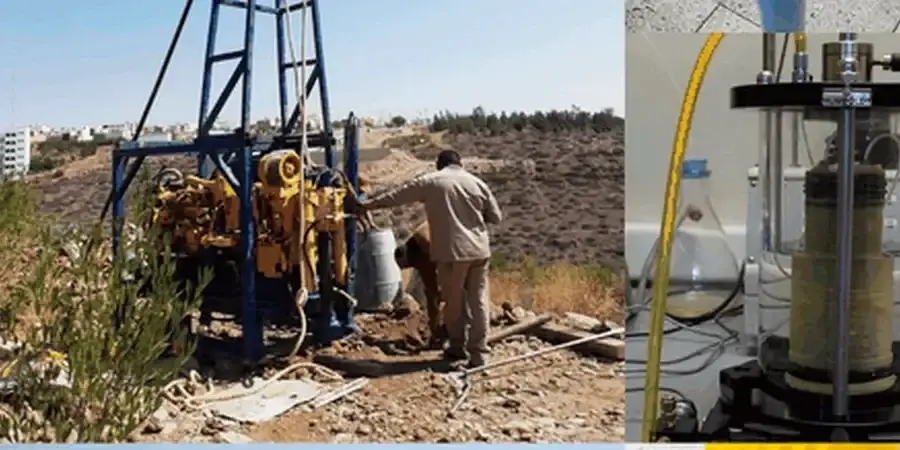
How we work

Fontana sits at an elevation of 1,237 feet, but the subsurface drops much deeper into the sedimentary basin. The alluvial deposits from the San Gabriel Mountains reach hundreds of feet in thickness. Seismic tomography cuts through this complexity. The refraction method tracks the critically refracted head wave along the bedrock interface. The reflection method images deeper layering through normal moveout processing. We output a 2D P-wave velocity cross-section. From this, we derive Vs30 profiles and map rippability limits for excavation planning. The average crew deploys 24 to 48 geophones at 10-foot spacing for high resolution. For deep groundwater mapping, a resistivity survey adds electrical contrast data to validate the seismic interpretation. When lateral variability is high, integrating CPT soundings anchors the velocity model to actual tip resistance. The final deliverable includes interpreted depth to bedrock, layer velocities, and a table of Poisson ratios.
Seismic Refraction & Reflection Tomography in Fontana
Technical reference image — Fontana

Local geotechnical context

The most common mistake in Fontana is trusting old water well logs for bedrock depth. The alluvial fan is heterogeneous. A boulder train from the mountains can look like bedrock on a driller's log but is just a floating obstacle. Seismic refraction shows the continuous velocity gradient. Contractors who skip tomography risk hitting refusal at 15 feet on one pad and at 60 feet on the next. That inconsistency kills the earthwork budget. Another error is assuming uniform Site Class D across the parcel. A pocket of cemented older alluvium can push the velocity above 1,200 ft/s. That triggers a Site Class C designation and a lower seismic coefficient. Missing that means you overdesign the structure. The tomography line must cross the entire building footprint. Corner to corner. That is the only way to catch lateral velocity shifts that the geophone spread will reveal.

Need a geotechnical assessment?

Reply within 24h.

Email: contact@geotechnicalengineering1.com

Technical parameters

ParameterTypical value
Survey line lengthUp to 230 ft per spread
Geophone frequency14 Hz for deep targets
Source typeSledgehammer or accelerated weight drop
Depth of investigationUp to 100 ft (refraction)
Output2D P-wave velocity tomogram
Vs30 calculationDerived via empirical conversion
Standard referenceASTM D5777-18, ASCE 7-22

Other technical services

01

P-wave Refraction Tomography

First-arrival picking and tomographic inversion using ray tracing. Ideal for bedrock depth and rippability assessment in Fontana's alluvial terrain.

02

Combined Refraction & Reflection Profiling

Full wavefield processing to image both shallow compaction layers and deep basin geometry. Best for sites with complex stratigraphy near the mountain front.

03

Vs30 Site Class Determination

Velocity profile conversion and extrapolation for IBC site classification. Includes NEHRP soil factors and response spectra for structural design.

Applicable standards

ASTM D5777-18, ASCE 7-22, IBC 2024

Quick answers

How long does a seismic tomography survey take in Fontana?

A standard 230-foot line with 24 geophones takes about two hours in the field. Processing and final reporting require two to three business days. Larger sites with multiple lines extend the field time proportionally.

What is the cost range for a seismic refraction survey here?
Can seismic tomography detect groundwater in Fontana?

Yes, the refraction method identifies the water table as a velocity inversion where P-waves slow down. However, for precise groundwater mapping, we recommend pairing the seismic survey with an electrical resistivity test to confirm the saturated zone.

Does the city of Fontana require seismic surveys for building permits?

Fontana follows California Building Code with IBC amendments. While not always required, a site-specific Vs30 measurement often allows reduction of the default Site Class D assumption, which can lower seismic design forces and foundation costs significantly.

Location and service area

We serve projects across Fontana and surrounding areas.

View larger map