Together, we solve the challenges of tomorrow.
LEARN MORE →Underground excavations in Fontana, California, encompass a specialized branch of geotechnical engineering focused on the design, construction, and support of subsurface openings. This category covers everything from shallow utility trenches to deep transit tunnels, requiring rigorous analysis of soil-structure interaction, groundwater control, and long-term stability. In a city experiencing ongoing infrastructure expansion and commercial development, understanding the unique demands of underground work is critical to project success and public safety.
Fontana sits on the alluvial fans of the Inland Empire, where subsurface conditions are dominated by layers of silts, sands, and gravels deposited by Lytle Creek and the Santa Ana River. These loose, granular soils present significant challenges for underground excavations, including the risk of running ground and collapse in the absence of proper support. The region's history of fluctuating groundwater levels and occasional seismic activity from nearby faults like the San Jacinto and San Andreas adds further complexity, making site-specific geotechnical analysis for soft soil tunnels an essential first step for any underground project.
All underground excavation work in Fontana must comply with local, state, and federal regulations, including Cal/OSHA excavation and trenching safety standards (Title 8, Sections 1540-1541) and the California Building Code (CBC) Chapter 33 for excavations. Depending on the project scope, compliance with the National Environmental Policy Act (NEPA) and the California Environmental Quality Act (CEQA) may also be required. These regulations mandate strict adherence to shoring, sloping, and monitoring protocols to protect workers and the public, and they often require the involvement of a licensed geotechnical engineer for geotechnical design of deep excavations.
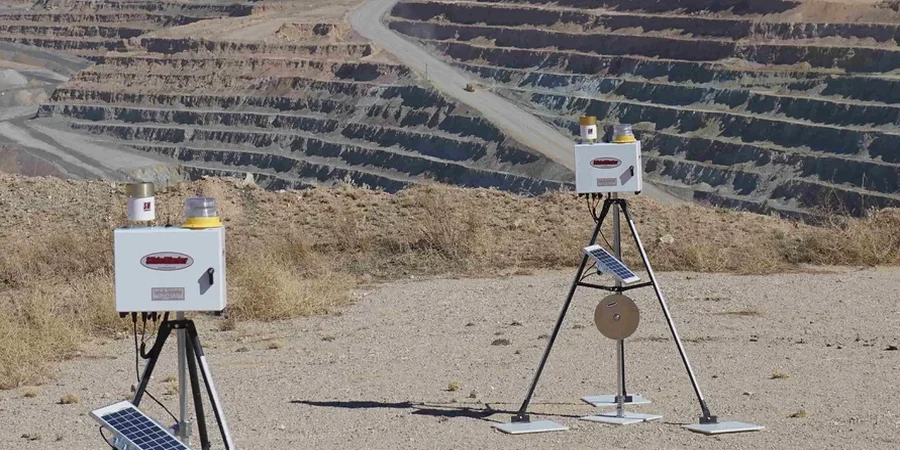
The types of projects that demand underground excavation expertise in Fontana are diverse. They include the installation of large-diameter sewer and storm drain lines, construction of underground utilities for new residential and industrial subdivisions, and the development of below-grade parking structures for commercial centers. Transit projects, such as potential future light-rail extensions, would require extensive tunneling through mixed-face conditions. For all these applications, continuous geotechnical excavation monitoring is vital to verify that ground behavior aligns with design assumptions and to provide early warning of instability.
The main risks stem from the alluvial sand and silt deposits common to the area, which can be prone to caving or running when unsupported. Groundwater infiltration can destabilize excavation faces, and seismic shaking from regional faults may induce soil liquefaction or lateral spreading, threatening the integrity of underground structures and requiring specialized mitigation measures.
Excavation safety is primarily governed by Cal/OSHA standards under Title 8 of the California Code of Regulations, which mandates protective systems like shoring or sloping for excavations deeper than five feet. The California Building Code Chapter 33 also applies to structural excavations, and projects must often secure permits through the City of Fontana's building and safety department.
Fontana's predominantly granular soils with low cohesion often require positive support systems such as soldier pile and lagging walls, soil nail walls, or braced sheeting. The selection depends on depth, groundwater presence, and proximity to existing structures, with soft-ground tunneling techniques being necessary when open-cut methods are not feasible.
Monitoring is typically required for deep excavations adjacent to sensitive structures, in areas with high groundwater, or when specified by the geotechnical engineer of record. It involves tracking ground movement, vibration, and groundwater levels to confirm design performance and to trigger contingency measures if predetermined threshold values are exceeded.